

Interior design is not just about aesthetics; it goes beyond that. Your home influences how you feel every day: how well you sleep, how easily you focus, and how relaxed you feel when you walk through the door.
When I start a project, my first question is rarely “what style do you like?” It is “how do you want this room to feel?” Here are the things that shape that feeling most.
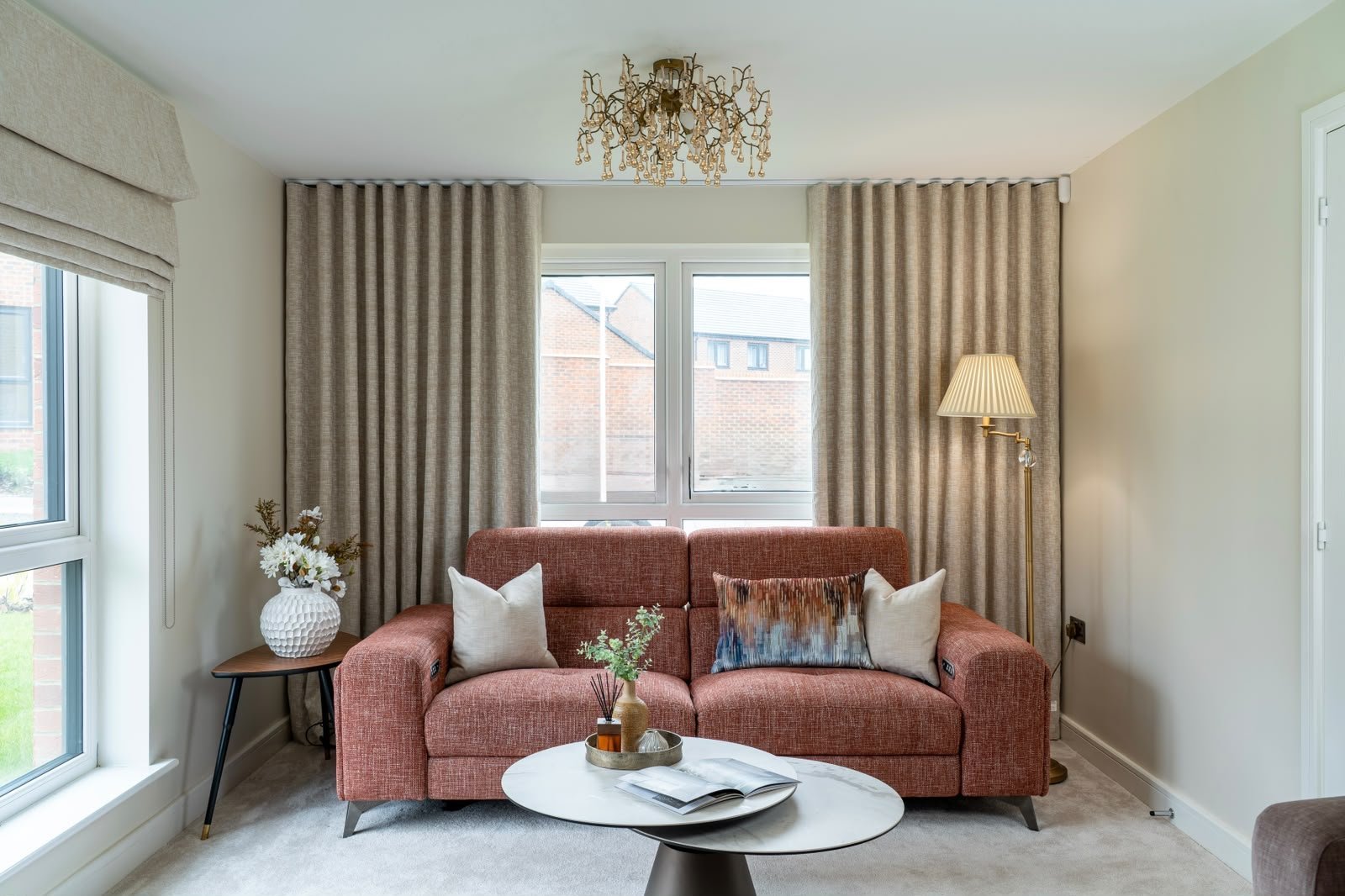
1. Less clutter, more calm
A well-organised space is one of the simplest ways to feel calmer at home. Visual clutter quietly adds to stress, while a room where everything has its place feels lighter and easier to live in.
Built-in storage, closed cupboards and a home for everyday items keep surfaces clear, even in a busy family home. When everything has a place, tidying takes minutes, not hours.
2. Comfort you can feel
Comfort is about more than a soft sofa. Rugs, curtains and upholstery absorb sound, so rooms feel quieter and more peaceful. The right seating, good bedding and a comfortable temperature all affect how relaxed you feel at the end of the day.
3. Light sets the mood
Light affects energy and mood more than almost anything else in a room. Natural daylight lifts a space, so I plan layouts, window treatments and mirrors to make the most of it.
In the evening, warm, layered lighting from lamps and wall lights helps a home feel calm and ready for rest, rather than bright and busy. My guide to warm lighting at home explains this in more detail.
4. Layout shapes your daily routine
A good layout makes everyday life feel easy. When furniture is placed around how you actually live, mornings run more smoothly, conversations flow and rooms feel open rather than cramped.
Small changes make a real difference: a clear path through the room, seating that faces each other, or a reading chair placed by the window.
5. Colour and natural materials
Colour influences how a space feels. Soft, earthy tones tend to feel restful, while deeper shades create warmth and cosiness. Natural materials such as wood, linen, wool and stone, along with plants, bring a sense of nature indoors that many people find grounding.
6. Rooms with a clear purpose
Rooms that do one job well help you switch between modes. A bedroom designed for rest, a workspace separate from where you relax, and a living area that brings the family together all support a healthier rhythm to the day.
7. A home that reflects you
Your home should reflect your personality and lifestyle. It should also support you in your everyday life.
Photos, artwork, heirlooms and objects with meaning make a house feel like home. Our Pooja Room project, for example, created a calm, sacred space for reflection within a busy family home.
Designing with feeling in mind
Every home I design starts with how you live and how you want to feel. Whether you are refreshing a few rooms, planning a renovation or redesigning your whole home, the aim is the same: a home that looks beautiful and makes everyday life feel better.
Book a consultation and let’s talk about how you want your home to feel.
