

Introduction
The way your home is lit doesn’t just change how it looks, it quietly influences how you feel, think and unwind. Warm light is especially powerful because it connects directly with your brain’s natural rhythm and your body’s internal sleep system.
In the evening, when the body is naturally preparing for rest, lighting becomes a biological signal. It can either support relaxation or delay it. This is where warm light plays an important role in guiding the mind into a calmer state.
Understanding what warm light does to your mind helps homeowners create spaces that are not only visually beautiful but also emotionally supportive and aligned with healthy sleep patterns. It moves lighting beyond decoration and into wellbeing design.
How warm light communicates with your brain
Warm light sends a clear signal of safety and rest to the nervous system. The human brain is naturally wired to associate amber and soft golden tones with sunset, firelight, and the end of the day — all cues that historically marked a time to slow down.
This shift reduces alertness and gently encourages the body to transition into rest mode.
The circadian rhythm connection
Your internal body clock, known as the circadian rhythm, is highly sensitive to light exposure. It regulates sleep, wakefulness, energy levels, and hormone release.
Cool, blue-rich light signals daytime and keeps the brain alert. In contrast, warm light supports the natural evening transition toward rest, helping the body prepare for sleep more effectively.
Melatonin and the science of sleep
One of the most important biological processes influenced by light is melatonin production.
Melatonin is a hormone released by the brain in the evening that helps regulate sleep. Its production is strongly affected by light exposure.
Bright, cool-toned lighting (especially blue light from LEDs and screens) can suppress melatonin, delaying the body’s natural sleep readiness. This is why excessive artificial lighting at night can make it harder to fall asleep.
Warm light, on the other hand, contains lower levels of blue wavelengths. This allows melatonin levels to rise naturally, supporting a smoother transition into sleep.
In simple terms, warm light does not force sleep — it removes the interference that prevents it.
How warm light influences mood and emotional wellbeing
Lighting plays a powerful role in shaping emotional experience. Warm light softens visual contrast, reduces harsh shadows, and lowers sensory intensity within a space.
This creates a more comfortable and emotionally grounded environment.
Environmental psychology suggests that softer lighting conditions can reduce perceived stress and help the mind feel less overstimulated after a busy day. While lighting does not eliminate stress, it reduces external visual pressure that can contribute to mental fatigue.
How warm light changes how your home feels
Lighting influences perception as much as it influences biology.
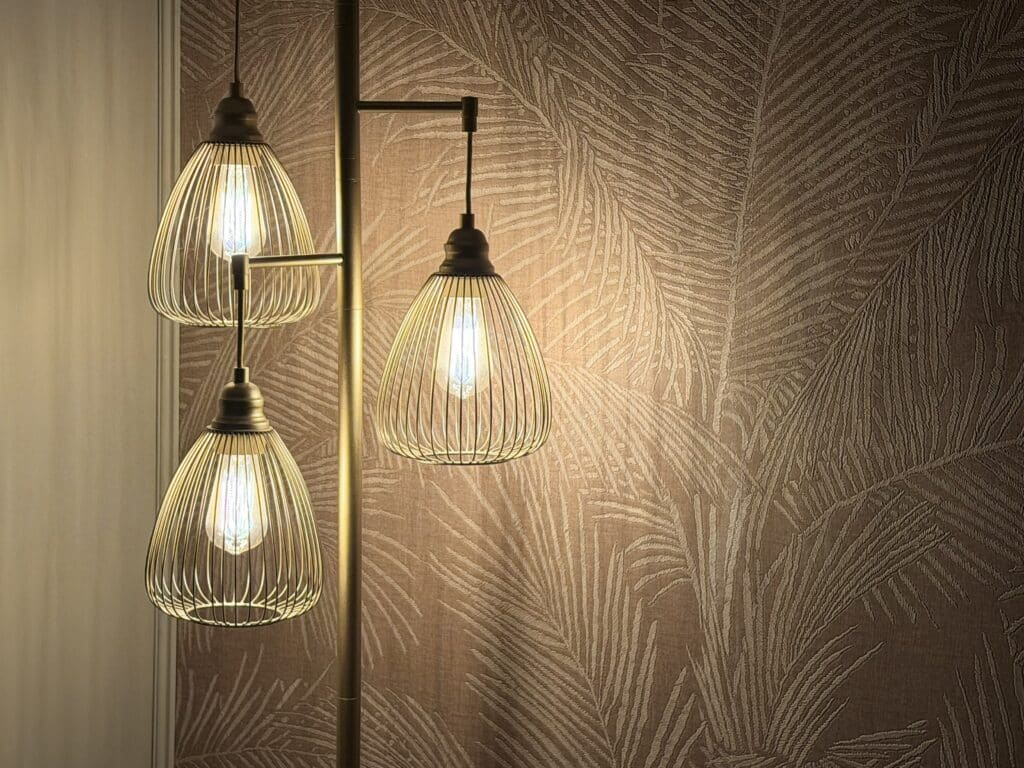
Warm light enhances textures, enriches natural materials like wood, fabric, and stone, and creates depth through softer, more gradual shadows. This adds warmth and character to a space.
Cool lighting tends to flatten environments visually, while warm light introduces softness and atmosphere.
This is one of the reasons warm lighting is widely used in hospitality and luxury interior design — it encourages people to slow down, stay longer, and feel more at ease.
Why it matters
Warm light has a quiet but scientifically supported effect on the mind and body. It helps regulate circadian rhythm, supports natural melatonin production, reduces sensory stress, and creates a more emotionally balanced home environment.
A well-designed home should support more than just functionality — it should support how you feel. Thoughtful lighting choices, especially warm lighting, can completely transform the atmosphere of a space, helping your home feel calmer, softer, and more restorative at the end of the day.
Sometimes, the smallest design decisions create the biggest emotional impact.
